Where Valleys Forge Skill and Sea Breezes Carry Stories
Today we journey into apprenticeships and intergenerational knowledge in Alps–Adriatic craft communities, meeting people whose hands translate mountains, forests, and shores into enduring work. From snow-fed valleys to salt-bright harbors, masters welcome learners beside anvils, bobbins, chisels, and looms, passing on timing, touch, and courage that no manual alone can teach, while families guard tales that keep curiosity alive, responsibility clear, and tradition resilient enough to greet tomorrow without losing yesterday’s wisdom.

Paths Into Mastery

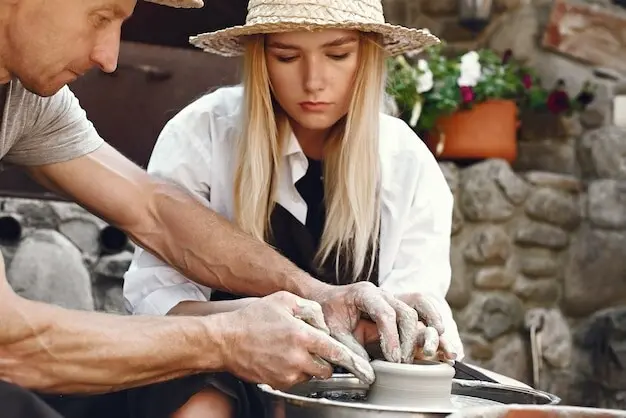
Learning here unfolds in layered circles: the bench, the household, the workshop, and the village. Apprenticeships knit patience to repetition, local materials to personal character, and public obligation to private pride. Across Italian botteghe, Slovenian delavnice, and Austrian Werkstätten, expectations feel precise yet humane. A grandmother’s proverb may guide a blade’s temper, while a regional exam confirms safe, lasting practice. The itinerary is rarely linear, yet each detour becomes a lesson held in calluses, sketches, songs, and shared meals.

From Bottega to Master Exam

Old guild echoes linger in quiet requirements: sweep the floor before striking the first blow, name every tool before using it, test an edge by sound as much as sight. The path may lead toward Italy’s bottega traditions or Austria’s Meisterprüfung, yet its heart is the same: accountability to craft, community, and materials. Written tests matter, but elders still say the truest certification arrives when a neighbor buys your work twice.

Kitchen Tables as Classrooms

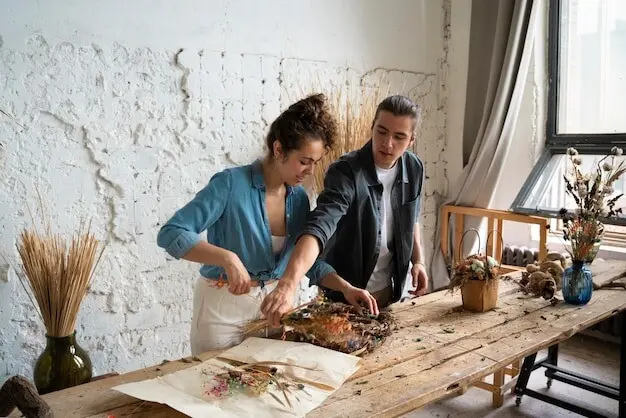
Before daylight kisses ridge lines, an apprentice often learns at a kitchen table, tracing knife profiles on butcher paper, mapping wool grades to seasons, counting bobbins while coffee cools. Here, children absorb safety rituals and generous skepticism toward shortcuts. Lunch breaks bring critique softened by polenta and laughter, turning corrections into companionship. Across decades, these domestic rehearsals foster attentive eyes, patient hands, and that steady courage to start again after a stubborn mistake reshapes the plan.

Cross-Border Mentors

The Alps–Adriatic corridor has always been a conversation. Dialects mingle beside market stalls; techniques cross passes with festivals and fairs. A Carinthian woodcarver swaps gouge angles with a Friulian colleague; a Piran net maker learns a new knot from a Cres fisherman. Mentorship travels by train and footpath, not algorithm alone. Apprentices grow bilingual in gestures and gratitude, discovering that diversity of lineage can deepen precision, nurture humility, and widen the imaginative map of what hands can attempt.

Materials, Weather, and the Quiet Logic of Place
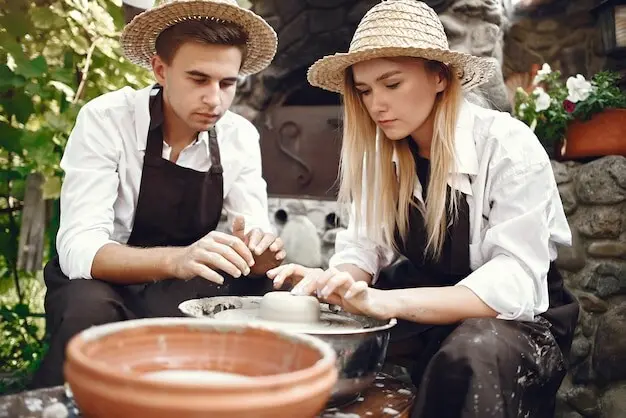
Craft in these valleys and coasts obeys the steady governance of climate and geology. Larch from high slopes moves differently than lowland walnut; Karst limestone takes a polish that keeps the memory of storms; Istrian oak bends if courted by steam and patience. Snowmelt calendars dye vats; the bora wind dries fibers with decisive efficiency. Apprentices learn to read grain like a compass, hearing in each board or stone the advice that technique should follow nature, not bully it.

Wood That Grows With Altitude

Spruce from colder ridges sings under a plane in brighter curls, while beech from shaded gullies holds tight tolerances for handles and spoons. Elders teach to align joints with growth rings, to season slowly under eaves, to accept that a knot is both hazard and teacher. The lesson is environmental literacy: shape choices by altitude, slope exposure, and wind history, creating objects that move gracefully through winters rather than protesting with splits and warps.

Stone That Remembers Salt and Snow

Karst blocks carry fossil whispers and a stubborn will. Apprentices learn to strike past surface glamour toward structure, reading subtleties of bedding planes like old cartographers. In upland terraces, limestone resists frost if placed with mindful drainage; near the coast, salt insists on breathable mortars. The chisel’s rhythm becomes dialogue, not conquest, as mentors insist that a wall’s longevity begins with humility: place each stone as though it will greet your grandchildren’s grandchildren without complaint.

Hands Taught by Weather

Calendars bow to clouds. Dye days follow steady warmth; quenching waits for water temperatures that do not shock steel; lace dries when the breeze is patient, not hurried. Apprentices track wind names, river moods, and the moon’s pull on tides and tempers. This meteorological apprenticeship cultivates calm decision-making. Instead of forcing results, learners assemble conditions where quality can emerge, finding in the choreography of climate and craft an ethic of partnership more durable than any shortcut or chemical fix.

Idrija Lace Mapped in Silver Thread

In Idrija, bobbin lace charts patience like a constellation. Mentors fold mathematics into music, counting beats as patterns bloom. UNESCO recognition validates community guardianship, yet the real certificate is the moment a learner hears the pillow’s soft percussion match a grandmother’s remembered cadence. Apprentices train fingers to tension, eyes to negative space, hearts to collaboration, because each motif is communal memory stitched forward, carrying miners’ families’ resilience into living rooms and festivals where sunlight finally lingers on delicate geometry.

Maniago Blades and the Ring of the Anvil

In Maniago, a seasoned smith can read hardness by sound, tapping cooled steel and listening for a tempered bell. Apprentices practice until ears trust themselves, learning grinds that respect heat lines like sacred borders. Stories of wartime shortages and ingenious repairs shape an ethic of care: waste little, maintain everything, thank the waterwheel. When an apprentice’s first knife returns for sharpening after honest fieldwork, the handshake feels like graduation, proof that skill serves lives beyond the workshop door.

Dry‑Stone Walling Across Terraces

From Slovenian hills to Friulian vineyards and Croatian coves, dry‑stone building is choreography without mortar. Blocks converse through gravity, friction, and craft. UNESCO recognition reflects regional solidarity, but the everyday miracle is a wall that survives freeze‑thaw cycles because a mentor taught void management and drainage like poetry. Apprentices practice patience in three dimensions, discovering how foundations announce intentions, how coping stones negotiate weather, and how a day’s labor becomes shelter, soil keeper, footpath guardian, and quiet public sculpture.

Continuity Amid Change

Globalization, depopulation, and digitization test every workshop. Yet continuity thrives where makers treat technology as a neighbor, not a replacement. Videos archive gestures, not just outcomes; 3D scans record jigs; bilingual glossaries honor dialect while opening doors. Migrants bring new eyes, and tourism invites stewardship when hosted responsibly. Apprenticeships evolve toward modular commitments and shared studios, but their soul endures: accountability to place, to elders, and to the future strangers who will depend on the reliability of today’s work.

Recording Hands, Not Just Tools

Documentation here favors cadence over spectacle. Cameras rest where forearms flex; audio captures breath between strokes; annotations explain why a pause matters as much as a cut. Apprentices replay footage to internalize tempo and decision points, then return to the bench where muscle memory is minted. This marriage of archive and action prevents dilution, ensuring the craft’s grammar remains legible even as markets shift, helping future learners retrieve nuance that paper diagrams or glossy catalog shots cannot preserve.

Newcomers Who Become Neighbors

When a refugee joins a carving class or a young engineer apprentices in a boatyard, the region gains fresh metaphors and resilient friendships. Masters rewrite teaching sequences to bridge languages; classmates exchange recipes and sanding tricks. Differences do not vanish; they harmonize around shared respect for material truth. Over time, festivals showcase blended patterns, yet elders smile because the foundational virtues remain: punctuality, safety, patience, and the practical joy of making something trustworthy under changing skies.

Economies of Care and Value

The Price of Time

Apprentices learn costing as an ethical act: hours must reflect preparation, sharpening, cleanup, and the invisible experiments that failed before the good piece emerged. Communities discuss prices openly to resist races to the bottom. Customers become allies when they understand why slowness safeguards safety, precision, and repairability. The invoice becomes a narrative of care rather than a mystery, defending livelihoods and encouraging makers to uphold standards that protect both landscapes and the people who rely on their reliability.

Cooperatives and Shared Equipment

Shared kilns, forges, and finishing rooms lower barriers for new entrants while encouraging peer critique that accelerates mastery. Rotas teach punctuality; maintenance days reveal the soul of responsible making. In these cooperative spaces, a quiet miracle occurs: rivalries soften into mutual pride as each person’s excellence elevates the group’s reputation. Apprentices see professionalism modeled not as bravado, but as stewardship of rooms, tools, schedules, and tempers, which ultimately shapes better work and more trustworthy regional identities.

Seals, Fairs, and Trust

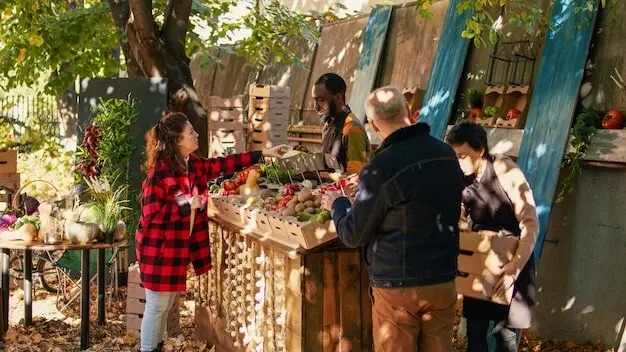
Regional marks of origin and juried fairs translate community standards into public signals. A stamp on a blade or a tag on lace certifies traceable materials, fair training practices, and repair services. Yet the deepest trust forms face‑to‑face: a stallholder remembering a customer’s project, a maker recommending a rival when better suited. Apprentices witness reputations earned one conversation at a time, learning that credibility grows from transparent guarantees and the brave honesty to say no when timelines threaten quality.

Join the Work, Carry It Forward

These mountains and shores offer more than scenery; they offer responsibilities that feel beautifully doable when shared. Ask questions, invest in repairs, celebrate slowness, and introduce young people to real benches and kind mentors. Subscribe for field notes from workshops, contribute memories in the comments, and propose visits or exchanges that bridge towns and languages. Together we can keep apprenticeships generous, intergenerational knowledge alive, and the Alps–Adriatic region palpably human through objects that hold dignity, care, and everyday courage.
Nexopalorinopentozori
Privacy Overview

This website uses cookies so that we can provide you with the best user experience possible. Cookie information is stored in your browser and performs functions such as recognising you when you return to our website and helping our team to understand which sections of the website you find most interesting and useful.