From Peaks to Sea: Living the Slowcraft Way
Cartography of Calm: Routes Connecting Mountains and Shores
Materials in Motion
Follow wool carded in high valleys until it becomes blankets that smell faintly of hay, then drift downward to linen woven near warm coasts, cool against the skin after saltwater swims. Notice how materials migrate with weather, shepherds, and trade, absorbing stories with every hand that touches them. When you carry a scarf spun in the shadow of glaciers to a seaside evening, you knit distant blue light to flickering harbor lamps and learn how objects remember their journeys.
Paths that Hold Memory
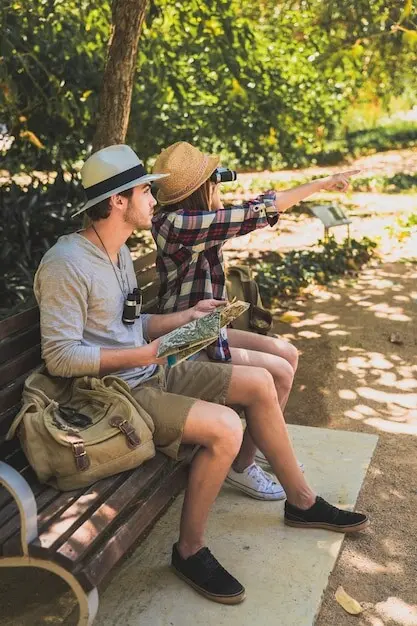
Walk the Alpe-Adria Trail as it threads forests, rivers, and villages, or cycle the Parenzana, a former railway curving through vineyards and dry-stone walls toward the sea. These corridors are archives of movement: muleteers, beekeepers, coopers, and bakers all left traces you can still feel in switchbacks, bridge stones, and station houses. Travel them slowly, ask elders for place names, and record the scents—resin, thyme, smoke—because directions written with senses are never lost.
Techniques that Breathe
Ljubljana’s Violin Whisperer
Idrija’s Patient Lace Circle
Rovinj’s Keeper of Ribs and Keels
Highland Wool, Lowland Warmth
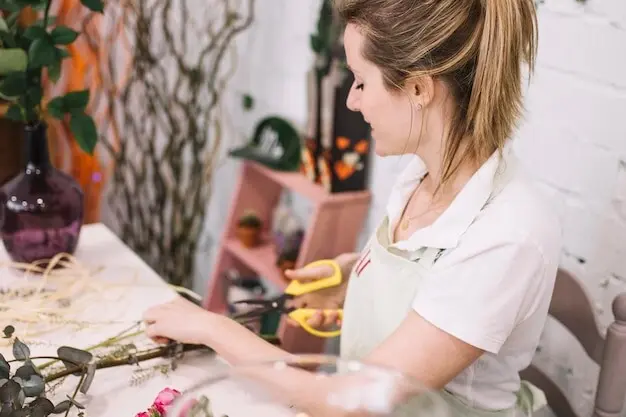
Flocks moving along transhumance routes carry plant stories in their coats, from alpine thyme to riverbank grasses. Choosing their wool funds pastures that protect water, soil, and pollinators, while giving spinners reliable fiber with character. Visit small mills, ask about micron counts and wash methods, and favor colors that come from the sheep themselves. Send us your favorite rural suppliers, and tell how a blanket changed your winter—perhaps by holding a hillside’s sunlight long after snow arrived.
Karst Wood and Salvaged Stories
On limestone plateaus where winds carve trees into patient sculptures, foresters mark only what storms surrender. Makers salvage beams from barns, planks from retired boats, and prunings from olive groves, turning memory into stools, spoons, and frames. Learn to read checks, end grain, and moisture the way winemakers read clouds. Share how you sourced your last board, what you paid back to the land, and which tradition guided your cuts so nothing precious was wasted.
Stone, Clay, and Terra Rossa
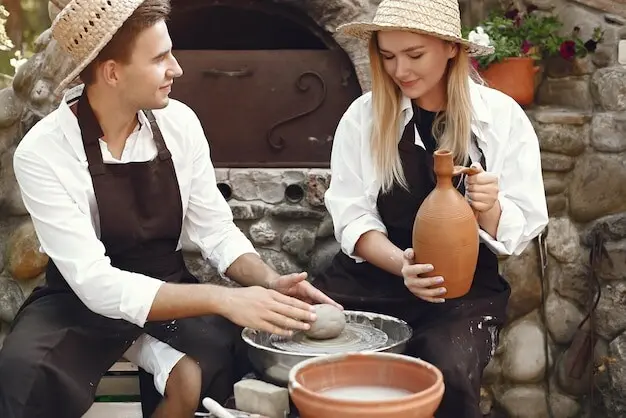
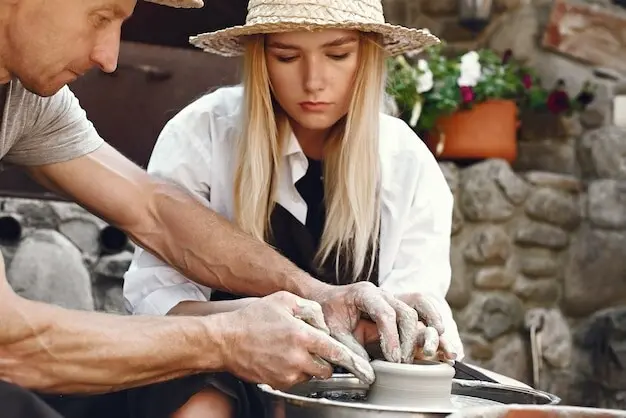
Underfoot, the red earth of coastal hills births sturdy clay, while mountain quarries reveal cool limestone like standing shade. Potters wed the two in functional vessels that hold soup, anchovies, and meanings the table understands. Masons set dry-stone walls that collect warmth for vines and lizards. Practice respectful gathering: never pry living rock, seek permissions, and return fragments you cannot use. Tell us about your local soils, glazes that behave, and kilns that sing under rain.
A Studio Tuned to the Senses
Time Measured by Bells and Tides
Community Tables and Open Doors
Travel Gently, Learn Deeply

All Rights Reserved.