Edges That Bind: Craft Revivals Across the Adriatic Borderlands
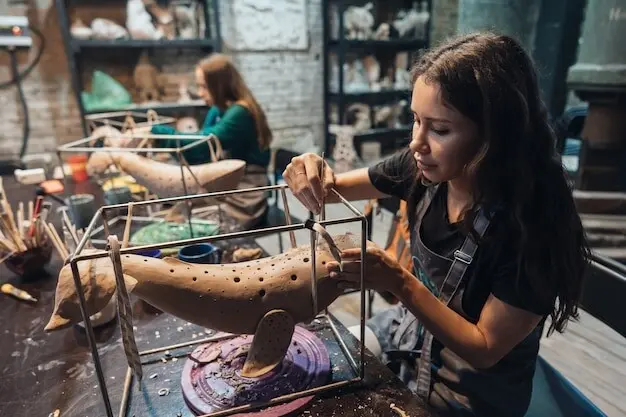
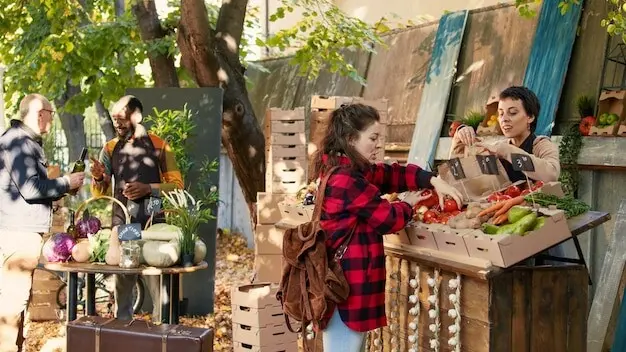
Join us in reviving borderland techniques across Slovenia, Italy, and Croatia, where stones, threads, boats, salt, vines, and songs carry memories across hills and harbors. We celebrate living skills shaped by the bora wind, shared markets, and intertwined families, inviting you to help strengthen fragile knowledge through participation, storytelling, and hands-on making, so that heritage becomes tomorrow’s everyday practice rather than yesterday’s museum relic.

Stones That Hold the Hills

Across the Karst, Istria, and Friuli ridges, dry-stone walling returns as farmers, hikers, and school groups rebuild terraces once abandoned. Recognized by UNESCO across Mediterranean countries, this practice mends soil, slows water, guides goats, and rethreads communities. In sunrise workshops, elders demonstrate eye-measured fitting, teaching patience, humor, and respect for weight, while younger hands document patterns, inventorize quarries, and celebrate each closing capstone with a shared loaf and stories of harvests past.

Karst Terraces Reborn

Where vines used to slide on eroded slopes, new stone lines reclaim steps for figs, herbs, and hardy grapes. Teams from Nova Gorica, Gorizia, and nearby Istrian villages compare coping styles, drainage tricks, and corner joints. Children mark courses with twine, while geologists explain flysch and limestone layers. The day ends with a walk along newly stabilized paths, proving endurance grows one carefully placed stone at a time.

Istrian Field Notebooks

A retired mason from Buje whispers the names of particular rocks, while a student from Koper sketches jointing patterns and adds a dialect glossary. Stories surface about clandestine crossings, exchanged tools, and improvised repairs after winter slumps. Photographs align with GPS points, bead by bead, mapping skills back into daily life. When the first rain arrives, everyone listens, proud, to water spill respectfully between the stones.

Tools, Lines, and Patient Hands

Hammers, tracing lines, and simple wooden gauges fill buckets, yet the truest instruments are fingertips and eyes. Builders test balance by rocking stones, searching for a hidden click that means harmony. No mortar binds, only trust in gravity and care. Cleanup includes sweeping chips into habitat crevices for lizards, turning labor into ecology. Each terrace becomes a classroom where restraint, rhythm, and quiet strength are learned together.

Laces, Looms, and Border Patterns

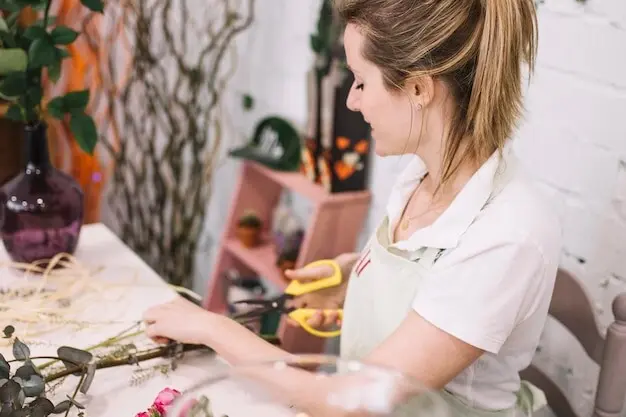
Bobbin lace from Idrija converses with Pag needlework and Venetian influences, sketching new motifs across kitchens and museums. Threads record railway timetables, seaside light, and the flicker of border guards long gone. Artisans swap patterns at weekend fairs, debate tensions, and compare flax with modern filaments. The result is wearable memory: cuffs, veils, lampshades, and airy installations that travel from Trieste windows to Piran galleries without a passport, carrying gratitude stitched loop by loop.

Boats Shaped by Bora and Tide

From Rovinj’s batana to Trieste’s dinghies and Piran’s workboats, wooden hulls return as classrooms on calm mornings and testing grounds when the bora snaps flags. Carpenters measure curves with battens, stretch canvas, and share proverbs about knot reliability. Youth crews learn to caulk without haste, hearing how songs once coordinated oars. Partnerships between small shipyards and ecomuseums keep parts lists, timber sources, and sea stories alive, ensuring tomorrow’s repairs feel familiar, honest, and seaworthy.

Salt, Smoke, and Time

Along the Sečovlje and Piran pans, guardians cultivate petola, a living carpet protecting crystals, while in Ston, broad fields and stone channels turn sunlight into savory geometry. In Karst cellars, air sings through hams and cheeses, shaped by limestone and the season’s mood. Millers compare granite with steel, pressing Istrian olives slowly to keep whispers of thyme. Together, these methods restore flavors once dismissed as old-fashioned, proving patience seasons every bite with belonging.

Vines on the Border Ridges

On the Collio/Brda slopes and the Carso/Kras plateau, growers rebuild terraces, restore old pergolas, and compare cellar notes across boundaries. Ribolla Gialla and Rebula meet again, Vitovska breathes limestone, Terrano hums with iron-rich soils. Macerations glow amber in glass, while debates about skin contact and clay vessels stay friendly, grounded in shared weather and careful picking. Tastings become seminars, and seminars become harvest invitations, where difference educates rather than divides.

Rebula and Ribolla Reunions

A public table straddles the square linking Nova Gorica and Gorizia, where growers pour sibling wines that differ by slope and cellar patience. Guests compare orchard notes, tannin textures, and the way salt breezes sneak inland. Instead of trophies, vintners exchange pruning calendars and grafting tips. Someone brings an old photo of a grandparent trading cuttings across a fence. Glasses rise gently to that memory, then to the next harvest.

Vitovska on Limestone Skins

In Carso and Kras cellars, chalky dust clings to boots. Winemakers describe roots threading fractures in stone, sipping scarce water. Extended skin contact adds grip, like limestone underfoot. Visitors learn to listen for fermentation murmurs, to taste patiently through stages, and to welcome vintage variability rather than fear it. The final pour is cool and stony, reminding everyone that place can sing clearly without shouting.
Songs That Carry Across Checkpoints

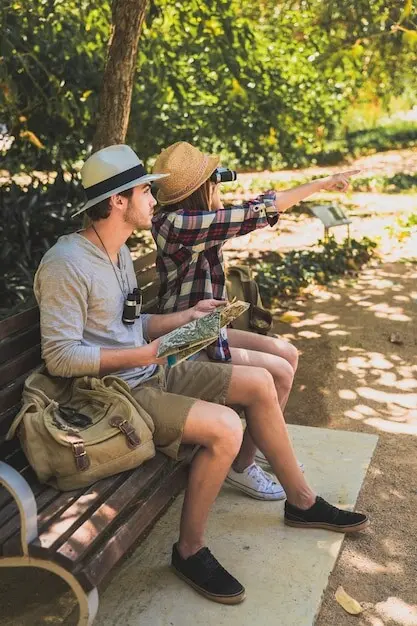
Evenings gather voices into courtyards where two-part singing in narrow intervals, known locally across Istria and neighboring communities, meets choral traditions from Trieste and coastal Slovenia. Lyrics travel in three languages, sometimes within the same stanza. Youth groups learn from elders without freezing expression, updating verses with respectful humor. Field recordists promise clear credits. What remains is breath, shared and steady, lifting stories skyward while feet keep time on warm stone.

Evening Circles and Narrow Intervals

Benches fill as the first drone hums, then a higher voice searches for its shimmering path. Listeners lean inward, recognizing lullabies turned to harvest praise. Someone forgets a verse, laughter heals the gap, and the song grows stronger. Later, singers trade techniques for blending without strain and for finishing cadences softly so neighbors can sleep. The night moves gently, paced by gratitude and careful listening.

Many Tongues, One Breath

A refrain steps from Slovenian into Italian and rests on Croatian, not as performance but as ordinary kindness. Children repeat lines until they match the elders’ vowels. Musicians discuss when to ornament and when to leave space like moonlight on water. Notes from choirs in Muggia meet Istrian duos; both return home carrying new patience. Tomorrow’s practice schedule includes silence, because silence shapes every phrase worth keeping.

Keeping the Revival Alive
Skills endure when participation is easy, credit is clear, and neighbors feel welcome. Cross-border initiatives, local councils, and volunteer groups coordinate calendars so workshops, regattas, tastings, and fairs strengthen rather than compete. Makerspaces share tools; museums open storerooms; schools join with Friday repair hours. Your presence matters: comment with memories, subscribe for event alerts, bring a friend to the next build or sing, and help carry these practices forward with joy.

Cross-Border Projects with Open Doors
Collaborations connect coastal towns and inland villages through shared logistics, common signage, and rotating hosts. Permit guides reduce friction; minibuses help students and elders reach workshops. Exhibits travel both directions, ensuring every community shines as guest and host. Translation volunteers keep conversations flowing. The goal is not spectacle but steady routines where meeting across a line feels as ordinary as borrowing sugar from the neighbor next door.

Apprenticeships, Maps, and Microgrants

Short apprenticeships pair teens with masters for real tasks: stepping a mast, stitching lace, resetting a terrace stone. An open map lists mentors, safety notes, and needed materials by season. Small grants buy blades, pins, and rakes, with shared tool libraries reducing cost and waste. Progress logs, written by both sides, travel with the craft. Accountability feels like encouragement when everyone can see effort growing into competence.
Nexopalorinopentozori
Privacy Overview

This website uses cookies so that we can provide you with the best user experience possible. Cookie information is stored in your browser and performs functions such as recognising you when you return to our website and helping our team to understand which sections of the website you find most interesting and useful.